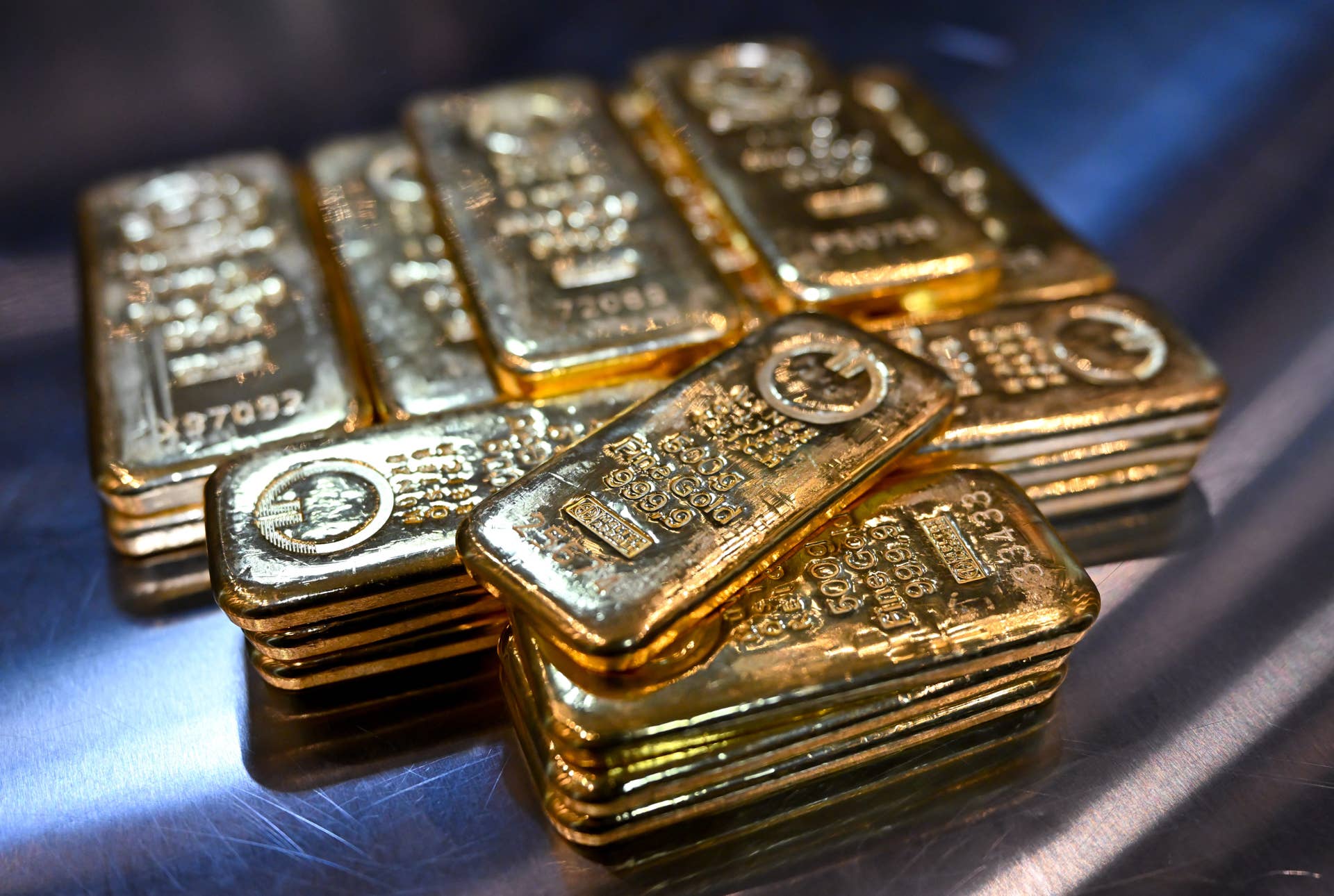
In at present’s dynamic funding panorama, people are more and more searching for alternate options to conventional retirement accounts. One option that has gained traction is the self-directed precious metals IRA. This kind of particular person retirement account allows traders to diversify their portfolios with bodily top gold ira companes, silver, platinum, and palladium, providing potential safety in opposition to market volatility and inflation. This report will explore what self-directed valuable metals IRAs are, their advantages, concerns, and the steps concerned in setting one up.
What’s a Self-Directed Precious Metals IRA?
A self-directed IRA (SDIRA) is a retirement account that offers traders more management over their investment decisions. In contrast to standard IRAs, which sometimes limit you to stocks, bonds, and mutual funds, a self-directed IRA allows for a wider range of assets, including actual property, non-public placements, and precious metals.
A self-directed precious metals IRA specifically focuses on investing in bodily precious metals as part of your retirement strategy. This account should comply with Internal Revenue Service (IRS) laws concerning the types of metals that can be owned, storage requirements, and custodial responsibilities.
Benefits of a Self-Directed Precious Metals IRA
- Diversification: Valuable metals are sometimes seen as a hedge towards inflation and financial instability. By including physical metals to your retirement portfolio, you possibly can further diversify your investments.
- Wealth Preservation: Over the centuries, gold and different valuable metals have maintained intrinsic worth and are sometimes seen as a secure-haven asset during monetary crises. Owning these metals in your IRA may help protect your retirement funds.
- Tax Advantages: Contributions to a standard precious metals IRA could also be tax-deductible, and the investments grow tax-deferred till you withdraw them in retirement, potentially providing significant tax advantages.
- Control over Investments: A self-directed IRA permits investors to make their own funding decisions, enabling them to reply to market changes in real-time and select belongings that align with their goals.
- Inflation Hedge: Precious metals can act as a hedge towards inflation, as their prices usually increase when the worth of fiat forex declines.
Considerations Before Investing
Whereas self-directed precious metals IRAs provide numerous advantages, potential traders ought to be aware of several vital issues:

- Custodian Requirement: A self-directed IRA should be administered by an IRS-authorized custodian. Not all custodians enable valuable metals, so it’s crucial to select one that makes a speciality of dealing with bodily metals.
- Specific Metals: The IRS has stringent laws relating to the varieties of treasured metals that may be included in a self-directed IRA. Compliant metals embrace sure gold (e.g., American Gold Eagles), silver (e.g., American Silver Eagles), platinum, and palladium coins and bars that meet minimal purity standards.
- Storage Requirements: Physical metals must be stored in a safe, IRS-permitted depository. This requirement minimizes the chance of theft and ensures adequate safety for your tangible belongings.
- Charges and Bills: Self-directed IRAs normally have greater fees compared to conventional IRAs, which can embrace setup charges, annual maintenance fees, and storage charges. It’s vital to know the prices associated with managing a self-directed precious metals IRA.
- Market Volatility: Whereas valuable metals can function a hedge, in addition they exhibit price fluctuations. Traders must be prepared for potential volatility within the brief term and focus on their long-term investment strategy.
Steps to Set up a Self-Directed Precious Metals IRA
Organising a self-directed precious metals IRA involves several steps:
- Select a Custodian: Research and select an IRS-accepted custodian that makes a speciality of self-directed IRAs and has expertise with precious metals. Consider their fees, customer service, and status.
- Open an Account: After deciding on a custodian, complete the required paperwork to open your self-directed IRA account. This usually requires offering personal monetary info and verifying your id.
- Fund Your IRA: You can fund your new account by way of a wide range of strategies resembling direct contributions, rollovers from present retirement accounts, or transfers from other IRAs. Be aware of annual contribution limits set by the IRS.
- Select Precious Metals: Choose the specific valuable metals you want to put money into, guaranteeing they meet IRS purity standards. Work with a reputable vendor to buy the metals.
- Arrange for Storage: Coordinate with your custodian to ensure the purchased metals are saved in a secure, IRS-compliant depository. Your metals can’t be saved at dwelling or any location controlled by you.
- Monitor Your Investment: Keep observe of your self-directed precious metals investment and stay knowledgeable about market trends and modifications in IRS laws that may have an effect on your account.
Conclusion
A self-directed precious metals IRA can be an excellent addition to your retirement portfolio, offering diversification, wealth preservation, and potential tax advantages. However, investing in physical metals comes with unique issues that require careful planning and analysis. By understanding the advantages and challenges associated with this sort of account, people can make informed choices that align with their long-term monetary objectives. As with every investment, it’s advisable to consult with financial advisors or tax professionals who can provide tailor-made advice based mostly on individual circumstances, making certain that your self-directed precious metals IRA is arrange correctly and managed successfully.