





In recent years, the financial landscape has seen a growing interest in alternative investments, particularly the acquisition of gold as a strategy for retirement savings. Gold Individual Retirement Accounts (IRAs) and Gold 401(k) plans have emerged as viable avenues for investors seeking to diversify their portfolios and hedge against economic volatility. This report delves into the essential aspects of Gold IRAs and Gold 401(k)s, exploring their benefits, the mechanism of investment, and potential considerations for investors.
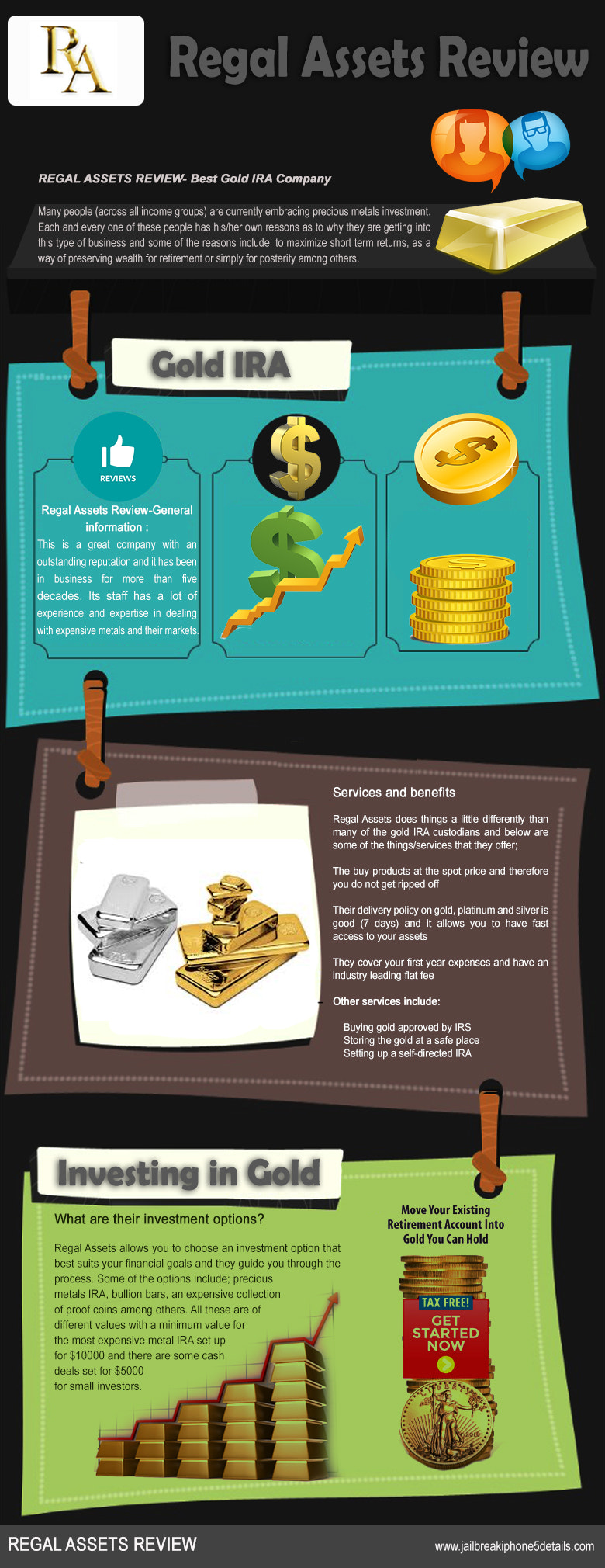
1. What is a Gold IRA?
A Gold IRA is a type of self-directed Individual Retirement Account that allows investors to hold physical gold and other precious metals as part of their retirement savings. Unlike traditional IRAs, which typically consist of stocks, bonds, and mutual funds, a Gold IRA permits the inclusion of tangible assets, such as gold bars, gold coins, silver, platinum, and palladium.
There are two primary types of Gold IRAs:
- Traditional Gold IRA: This account allows pre-tax contributions, meaning that investments are taxed upon withdrawal during retirement. Contributions can be tax-deductible depending on the individual’s income levels and other factors.
- Roth Gold IRA: Here, contributions are made with after-tax dollars, leading to tax-free withdrawals during retirement, provided certain conditions are met.
2. What is a Gold 401(k)?
A Gold 401(k) functions similarly to a Gold IRA but is attached to an employer-sponsored retirement savings plan. It allows employees to invest in gold and other precious metals within their 401(k) accounts, thus providing a means for diversification while planning for retirement.
Gold 401(k)s can be particularly appealing to employees in organizations that offer flexibility in their 401(k) plans, as they can allocate a portion of their retirement funds into gold and other precious metals.
3. Benefits of Investing in Gold IRAs and Gold 401(k)s
a. Hedge Against Inflation
One of the primary benefits of investing in gold through an IRA or 401(k) is its historical role as a hedge against inflation. As the value of currency fluctuates, gold tends to retain its value over time. This quality makes gold an attractive option for those looking to preserve wealth during times of economic uncertainty.
b. Diversification of Portfolio
Gold IRAs and 401(k)s encourage investors to diversify their retirement portfolios. The inclusion of precious metals mitigates risks associated with market volatility in traditional assets like stocks and bonds. If you cherished this article so you would like to be given more info about precious metals retirement guide from topgoldirareviews.us.com please visit our web site. A well-diversified portfolio can offer greater stability and potentially yield higher returns over time.
c. Tax Advantages
Both Gold IRAs and Gold 401(k)s come with certain tax benefits. Contributions to traditional Gold IRAs may be tax-deductible, while qualified withdrawals in Roth Gold IRAs are tax-free. Gold 401(k)s can also provide tax advantages similar to traditional 401(k) plans, depending on the account type.
d. Safe-Haven Asset
Gold has been regarded as a safe-haven asset amidst geopolitical tensions and economic crises. Many investors turn to gold during times of instability, driving up demand and value. Therefore, having a stake in gold can provide an added layer of security during turbulent times.
4. How to Set Up a Gold IRA or Gold 401(k)
a. Choosing a Custodian
To set up a Gold IRA, investors must first select a qualified custodian approved by the Internal Revenue Service (IRS). The custodian is responsible for managing the account, ensuring compliance with IRS regulations, and facilitating the purchase of precious metals.
b. Funding the Account
Once the custodian is chosen, investors can fund their Gold IRA through various methods, including rollovers from existing retirement accounts, direct contributions, or transfers. It is essential to adhere to IRS rules regarding contribution limits and rollover procedures.
c. Purchasing Gold and Other Precious Metals
After funding the account, investors can direct their custodian to purchase approved gold and precious metal products. The IRS has specific guidelines regarding the types of metals that qualify, typically requiring that gold must be at least 99.5% pure, such as American Gold Eagles or Canadian Gold Maple Leafs.
d. Storage Requirements
Gold held within an IRA must be stored in a qualified depository that meets IRS standards. Investors cannot personally possess the physical gold; it must remain in the custody of the chosen depository until retirement when it can be distributed or sold.
5. Fees and Considerations
Investors should be aware of the various fees associated with Gold IRAs and Gold 401(k)s. Fees may include setup fees, maintenance fees, transaction fees, and storage fees for holding physical gold. It is advisable to conduct thorough research and understand all costs involved before proceeding with any investments.
Another consideration is the IRS regulations that govern the purchase and holding of precious metals within retirement accounts. Non-compliance with these regulations can result in penalties, taxes, or the disqualification of the entire account.

6. Conclusion
As the financial landscape continues to evolve, investors are increasingly seeking to diversify their portfolios through alternative assets like gold. Gold IRAs and Gold 401(k)s present unique opportunities for investors aiming to hedge against inflation, achieve portfolio diversification, and enjoy tax advantages. However, careful consideration of custodians, fees, and IRS regulations is crucial to navigate these investment vehicles effectively.
Investing in gold through a retirement account can provide a secure and potentially lucrative option for those looking to enrich their retirement portfolios. As with any investment, thorough research, planning, and consultation with financial advisors are essential steps to ensure informed decision-making. By understanding the fundamentals of Gold IRAs and Gold 401(k)s, investors can harness the potential benefits of gold as a cornerstone of their retirement strategies.
