





The game of poker is deeply woven into the cultural fabric of casinos and competitive gambling.
It is generally agreed that modern poker is a fascinating amalgamation of European and Middle Eastern influences.
Where Did Poker Originate?
The most direct European ancestor is likely the 16th-century Spanish game “Primero,” which involved bluffing and high stakes.
In the melting pot of New Orleans, the game was anglicized to “Poker” and began its American evolution.
- As Nas featured rounds of betting similar to modern poker
- Primero was known as the “mother of poker”
- The 52-card deck became standard in the 1830s
Poker Spreads Across America
The game became the absolute favorite pastime of riverboat gamblers, traders, and travelers in the 19th century.
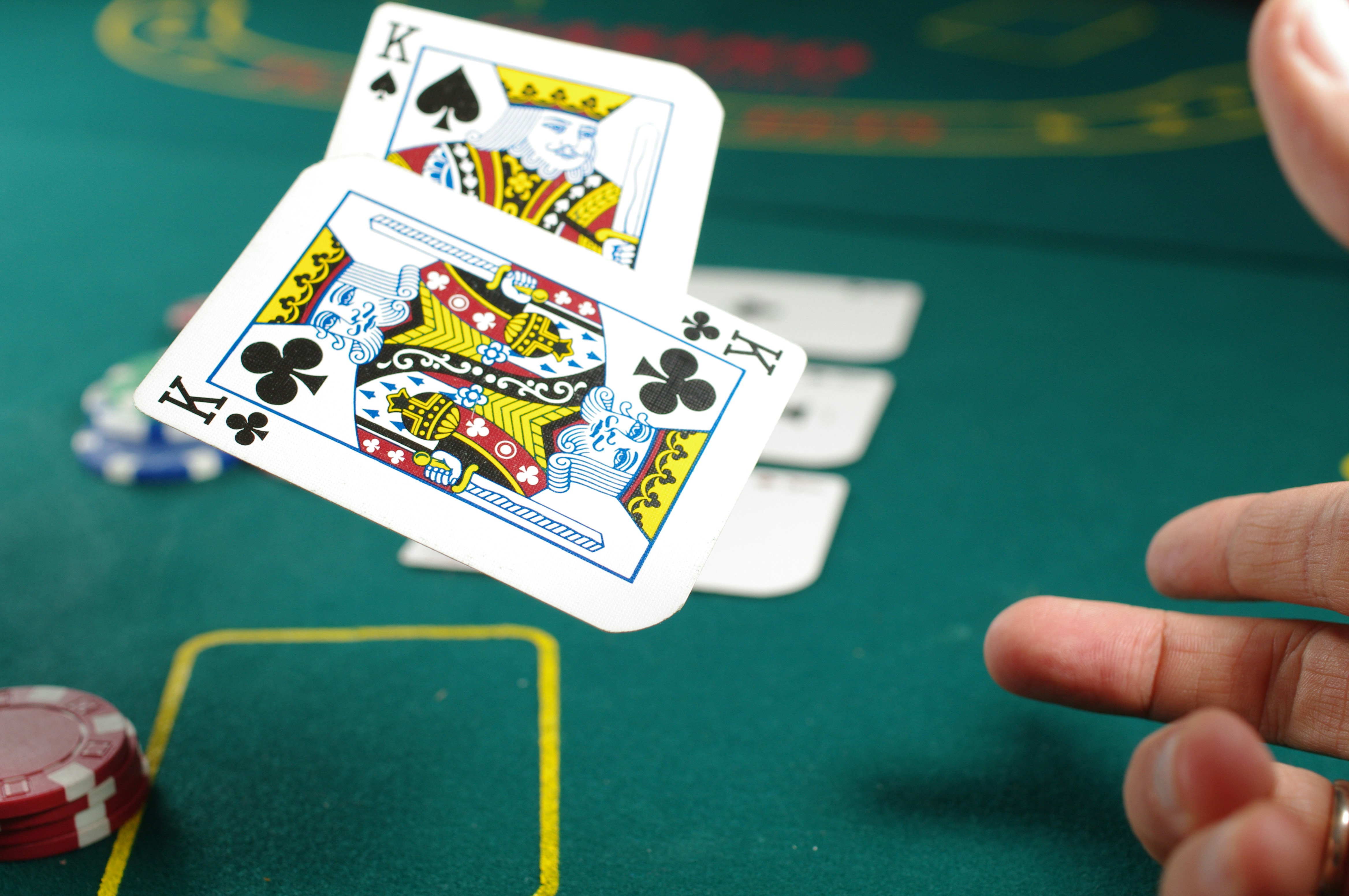
As America expanded westward, poker naturally followed, becoming a staple of every Wild West saloon.
How Texas Hold’em Took Over
Everything changed in 1970 when the legendary Binion’s Horseshoe Casino launched the first World Series of Poker (WSOP).
Today, Texas Hold’em is played by millions online, securing poker’s status as a global phenomenon of skill and strategy.
| Era | Key Event | Impact |
|---|---|---|
| 1800s | Mississippi Riverboats | Spread across America |
| 1830s | 52-Card Deck | Introduction of the Flush |
Its unique blend of mathematical probability and human psychology ensures it will remain popular for centuries to come.
