





Every decade leaves its mark on football shirt design. The aesthetic choices, technological shifts, and cultural influences of each era produced distinctly different kits that fans either love or debate endlessly. Understanding what defines 90s football jerseys vs 2000s and 2010s designs helps collectors appreciate why certain shirts resonate and which era speaks most to their personal taste.
The 1990s: Bold Experimentation and Fearless Design
The 1990s represent football shirt design at its most uninhibited. Manufacturers treated jerseys as canvases for artistic expression with little concern for minimalism or restraint. The results were polarizing then and beloved now.
Defining characteristics of 90s kits include geometric patterns, abstract graphics, oversized logos, grandad collars, and template designs adapted across multiple clubs. Fabrics were heavier—thick polyester or cotton blends that draped loosely over athletic frames. The fit was generous and boxy, a reflection of broader 1990s fashion sensibilities.
Color choices pushed boundaries. Purple, teal, and bright yellow appeared on shirts from clubs with no historical connection to those colors. Third kits became laboratories for radical experimentation. The era comparison kits conversation always returns to the 90s because nothing before or since matched its creative freedom.
Iconic examples include the 1996 Barcelona away shirt with its geometric blue-and-green pattern, Arsenal’s bruised banana, and almost anything Fiorentina wore between 1992 and 1998. These designs were often criticized at release but now command premium prices and genuine affection.
The 2000s: Technical Revolution Meets Clean Design
The turn of the millennium brought significant changes to decade football shirt style. As sports science advanced, kit design became increasingly performance-focused. Lighter fabrics, moisture-wicking technology, and body-mapping transformed how shirts were constructed.
Aesthetically, the 2000s favored cleaner lines and more restrained graphics. Templates became more sophisticated but also more uniform—you could often identify the year of manufacture from the cut alone. Nike’s total 90 era, Adidas’s three-stripe evolution, and Puma’s experimental period each defined sub-eras within the decade.
The retro jersey comparison between 90s and 2000s reveals a fundamental philosophical shift. Where the 90s asked “what can we create?” the 2000s asked “how can we optimize?” Shirts became slimmer, lighter, and more athletic in silhouette. Collars largely disappeared. Sponsor logos grew larger.
Despite the more conservative approach, the 2000s produced plenty of classics. The 2006 Italy gold-trimmed white away shirt, Barcelona’s centenary kit, and numerous Champions League special editions demonstrate that restraint does not preclude beauty.
The 2010s: Identity, Heritage, and the Nostalgia Cycle
The 2010s witnessed football shirt design becoming increasingly self-aware. Manufacturers and clubs realized that kit heritage was a marketable asset. Designs began deliberately referencing previous eras—a 1990s collar detail here, a 1970s color scheme there.
This decade also saw the rise of the fashion-football crossover. Collaborations with streetwear brands, limited editions, and lifestyle collections blurred the line between sport and fashion. Shirts were designed knowing they would be worn as much on streets as in stadiums.
Technically, 2010s shirts reached peak performance specification—ultralight, seam-bonded, aerodynamic, and increasingly expensive at retail. This technical excellence paradoxically made many designs feel generic, which further fueled demand for vintage alternatives from earlier decades.
The best 2010s designs succeeded by combining modern construction with distinctive visual identity. Nigeria’s 2018 World Cup shirt proved that bold, culturally-rooted design could still dominate a modern kit landscape. Croatia’s checkerboard consistency showed that strong identity transcends trends.
Which Era Suits Your Collection?
Choosing between eras comes down to what you value in a football NFL Shirt Shop.
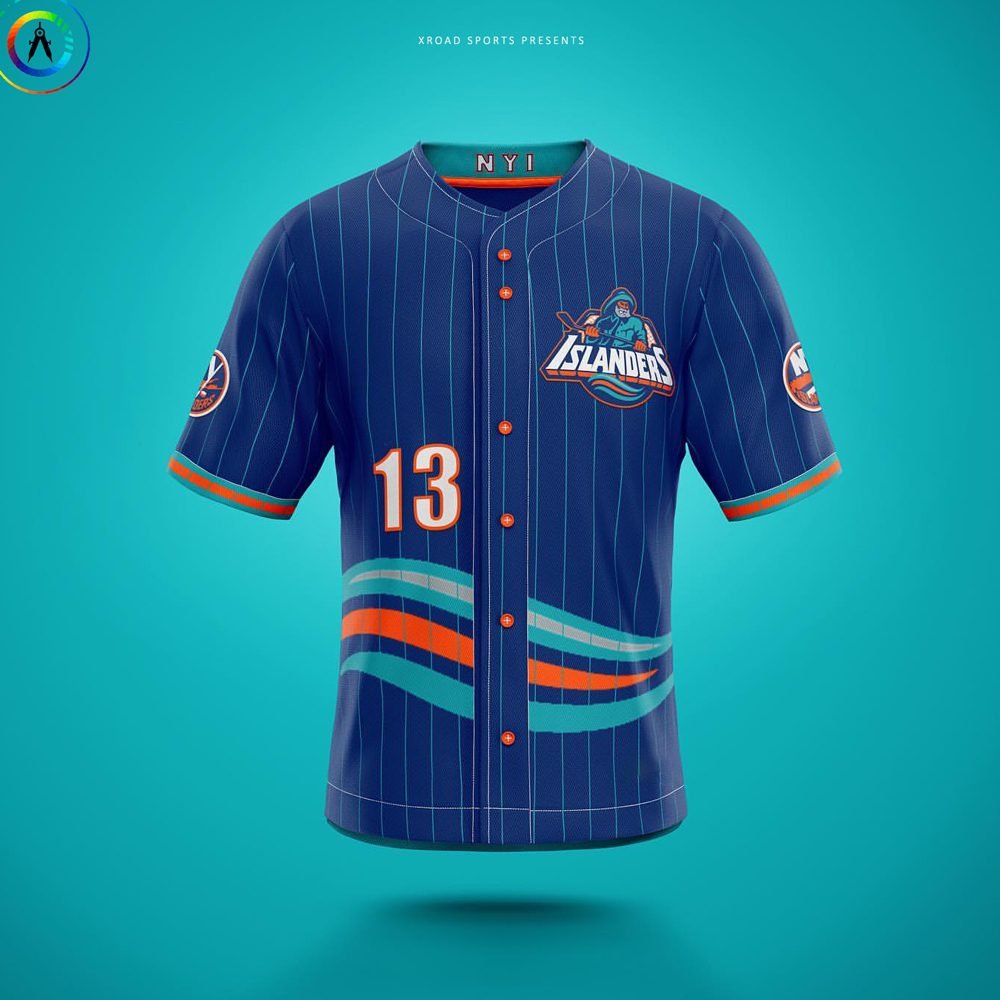
If you prioritize visual impact, creative boldness, and conversation-starting designs, the 1990s offer unmatched variety. These shirts demand attention and work as statement pieces in any setting.
If you prefer clean aesthetics, technical quality, and designs that integrate smoothly into modern wardrobes, the 2000s provide a middle ground between flamboyance and subtlety.
If you want shirts that blend heritage references with contemporary construction—and appreciate designs created with fashion-consciousness—the 2010s deliver sophisticated options.
At jersey.to, all three decades are represented at accessible prices, letting collectors build era-spanning collections without choosing sides in the eternal decade debate.
The Beauty of Comparison
The real joy in comparing retro jersey eras is recognizing that each decade solved different design problems with the tools and tastes of its time. No era is objectively superior—they simply reflect different moments in football’s visual evolution. A well-rounded collection draws from all three, creating a timeline of the sport’s aesthetic journey that tells its own compelling story.
