





Introduction
Peptides, which are short chains of amino acids, play crucial roles in various biological functions, including hormone regulation, immune response, and cellular signaling. With the advancement of biotechnology, the demand for peptides in research, pharmaceuticals, and cosmetics has surged, leading to the emergence of certified peptides. This report delves into the concept of certified peptides, their significance, applications, and the processes involved in their certification.
What are Certified Peptides?
Certified peptides are defined as peptides that have been rigorously tested and validated for purity, potency, and identity. These peptides are produced under strict quality control measures and are often accompanied by a certificate of analysis (CoA), which provides detailed information about their composition and quality. Certification is essential in ensuring that the peptides meet specific standards required for research and therapeutic applications.
Importance of Certification
The certification of peptides is crucial for several reasons:
- Quality Assurance: Certified peptides guarantee that the product is free from contaminants and meets the specified purity levels, which is vital for research and clinical applications.
- Reproducibility: In scientific research, reproducibility is key. Certified peptides ensure that researchers can replicate experiments with consistent results, as the peptides are standardized.
- Regulatory Compliance: Many industries, particularly pharmaceuticals, are subject to stringent regulations. Certified peptides help companies comply with these regulations, reducing the risk of legal issues and ensuring patient safety.
- Consumer Trust: Certification enhances the credibility of peptide products, fostering trust among researchers and consumers alike.
Certification Process
The certification process for peptides typically involves several key steps:
- Synthesis: Peptides are synthesized using solid-phase or liquid-phase methods. The choice of synthesis method can affect the purity and yield of the final product.
- Purification: After synthesis, peptides undergo purification processes such as high-performance liquid chromatography (HPLC) to remove impurities and by-products. This step is crucial for achieving the desired purity levels.
- Characterization: The purified peptides are characterized using techniques like mass spectrometry (MS) and nuclear magnetic resonance (NMR) spectroscopy. These methods confirm the identity and structure of the peptides.
- Testing for Purity and Potency: Certified peptides must meet specific purity thresholds, often exceeding 95%. Potency testing ensures that the biological activity of the peptide is as expected.
- Documentation: Upon successful testing, a certificate of analysis (CoA) is generated, detailing the peptide’s identity, purity, and potency. Here is more info on regulatorypeptide have a look at the website. This document serves as proof of certification.
Applications of Certified Peptides
Certified peptides have a wide range of applications across various fields:
- Pharmaceuticals: In the pharmaceutical industry, certified peptides are used as therapeutic agents, diagnostics, and drug delivery systems. They can act as hormones, enzyme inhibitors, or signaling molecules, playing a crucial role in treating diseases such as diabetes, cancer, and cardiovascular disorders.
- Biotechnology: Researchers utilize certified peptides in various biotechnological applications, including vaccine development, protein-protein interaction studies, and biomarker discovery. The reliability of certified peptides ensures that experimental results are valid and reproducible.
- Cosmetics: The cosmetic industry has also embraced certified peptides for their anti-aging and skin-repairing properties. Peptides like palmitoyl pentapeptide-4 and acetyl hexapeptide-8 are commonly used in skincare products to stimulate collagen production and reduce wrinkles.
- Nutraceuticals: Certified peptides are increasingly being incorporated into dietary supplements for their health benefits. They are believed to enhance muscle recovery, improve gut health, and support immune function.
Challenges in Peptide Certification
Despite the advantages of certified peptides, several challenges persist in the certification process:
- Cost: The synthesis and purification of high-quality peptides can be expensive, leading to increased costs for certified products. This can limit accessibility for smaller laboratories and researchers.
- Complexity of Synthesis: Some peptides, particularly those with post-translational modifications or complex structures, can be challenging to synthesize and purify, complicating the certification process.
- Regulatory Variability: Different countries have varying regulations regarding peptide certification, which can create hurdles for companies looking to market their products globally.
- Market Oversaturation: With the growing demand for peptides, the market has seen an influx of products, some of which may not be certified. This oversaturation can lead to confusion among consumers and researchers regarding the quality of available peptides.
Future Perspectives
The future of certified peptides looks promising, with ongoing advancements in peptide synthesis and purification technologies. Innovations such as automated peptide synthesizers and improved purification methods are expected to enhance the efficiency and cost-effectiveness of peptide production.
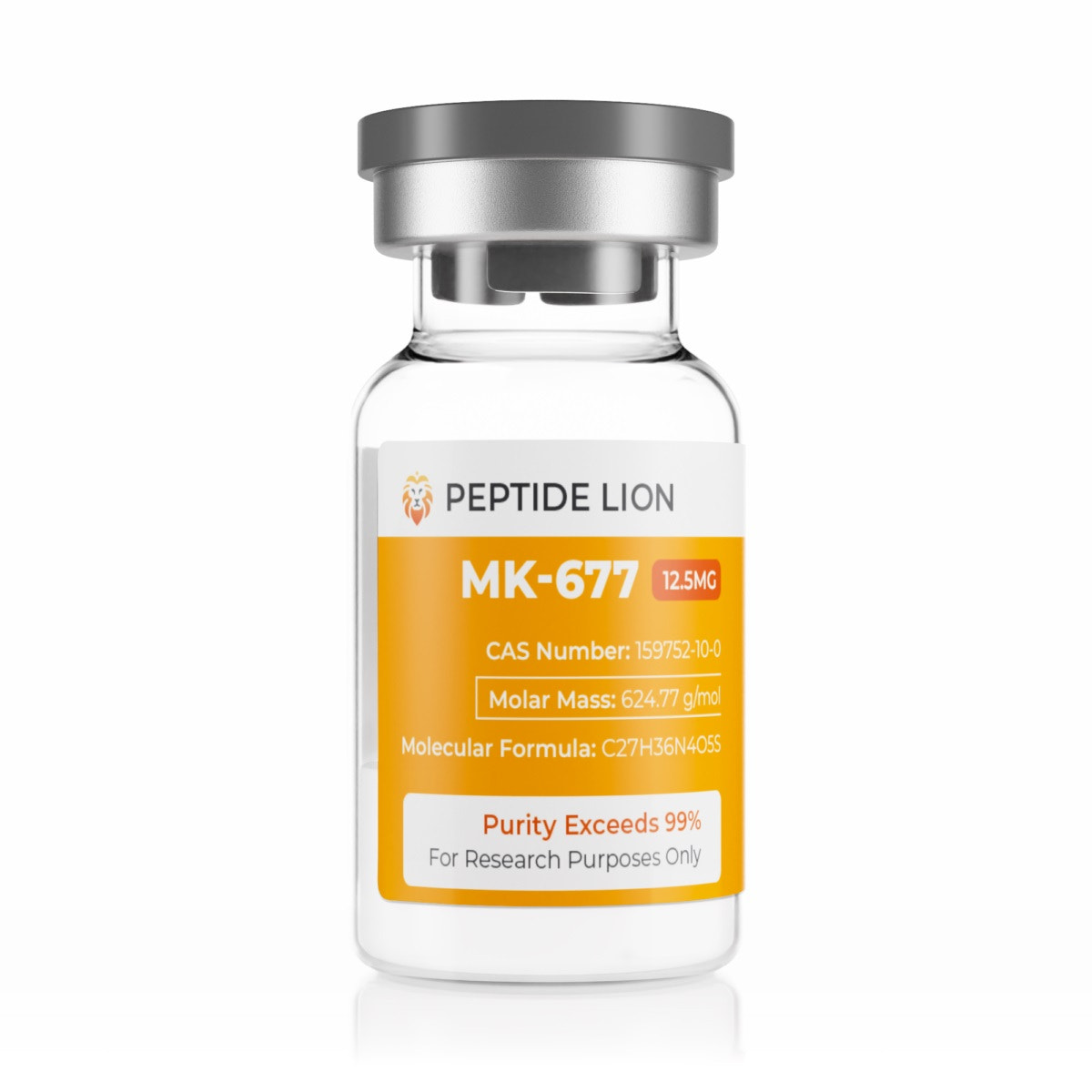
Additionally, as the understanding of peptide biology expands, new applications are likely to emerge, further driving the demand for certified peptides. The integration of artificial intelligence and machine learning in peptide design may also streamline the discovery and development of novel peptides.
Conclusion
Certified peptides represent a critical component of modern biotechnology, pharmaceuticals, and cosmetics. Their rigorous certification process ensures quality, reproducibility, and compliance with regulatory standards, making them indispensable in research and therapeutic applications. As the field continues to evolve, addressing the challenges associated with peptide certification will be essential in meeting the growing demand and ensuring the safety and efficacy of peptide-based products. The future holds significant potential for certified peptides, paving the way for innovations that could transform various industries and improve human health.
